

Geothermal vs Traditional HVAC Systems: A Full Cost & Efficiency Breakdown
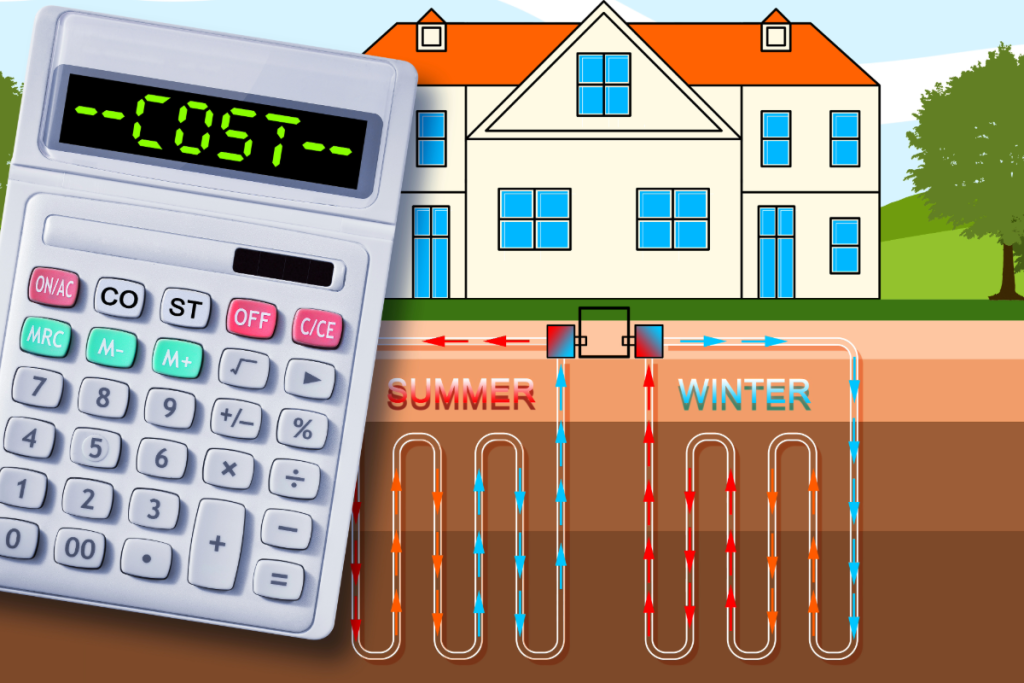
As energy prices rise and eco-conscious living becomes more mainstream, many homeowners are looking beyond conventional heating and cooling options. One system that’s gaining traction? Geothermal HVAC.
If you’re weighing your options between geothermal and a traditional HVAC setup, this article will break down the true cost, energy efficiency, and long-term benefits of each. Whether you’re building a home, upgrading your HVAC system, or exploring sustainability options, this side-by-side comparison will help you make an informed decision.
What’s the Difference Between Geothermal and Traditional HVAC Systems?
Geothermal HVAC Systems
Geothermal systems use a network of underground loops to tap into the earth’s consistent year-round temperature. This steady underground climate — around 62°F in Oklahoma — allows your home to stay comfortable regardless of how hot or cold the outdoor air is.
Rather than creating heat, geothermal systems move it using electricity and refrigerant. In the summer, heat is absorbed from your home and transferred into the cooler ground. In the winter, the system works in reverse — pulling heat from the ground into your home. This process uses significantly less energy than traditional HVAC methods.
Comfortworks installs ClimateMaster geothermal systems, which are known for advanced energy efficiency, quiet operation, and long-lasting durability.
Traditional HVAC Systems
Traditional HVAC systems rely on the fluctuating outdoor air to generate heating and cooling. This includes gas furnaces, central AC units, and air-source heat pumps.
The problem? The greater the difference between outdoor and indoor temperatures, the harder these systems must work — especially during extreme summer and winter conditions. That means more energy use, higher utility bills, and increased wear and tear over time.
Upfront Cost Comparison
Geothermal HVAC Systems
There’s no avoiding it: geothermal has a higher upfront cost. This is primarily due to drilling and installing the underground loop system. For a typical 2,200-square-foot home, geothermal can cost around $6,800 more than a comparable traditional system.
However, this initial investment is typically offset within 3–7 years thanks to substantial energy savings, a 30% federal tax credit, and generous local utility rebates available in Oklahoma.
Traditional HVAC Systems
Conventional heating and cooling systems usually have a lower purchase price and installation cost. For short-term homeowners or those with tight upfront budgets, this can be a more accessible option. However, when factoring in monthly energy bills and maintenance, the savings are often short-lived.
Long-Term Operating Costs
Geothermal
This is where geothermal systems shine. Homeowners can expect 60–80% annual savings on heating, cooling, and even hot water production. In fact, the average geothermal system pays for itself in as little as 3 to 7 years — leaving decades of pure savings on the table.
To put it in perspective: for one Oklahoma family, the extra $6,856 paid upfront for a geothermal system was paid back in just 6.5 years. Over the following 18+ years, they saved an additional $33,533 in operating costs.
Traditional HVAC
While cheaper upfront, traditional systems tend to cost much more to operate over time — especially if you’re heating with propane or electric resistance heat. Add in routine maintenance, higher energy bills, and more frequent replacement, and the lifetime cost climbs quickly.
Efficiency & Environmental Impact
Geothermal
Geothermal systems are inherently efficient because they’re not fighting the extremes of outdoor temperatures. Instead, they leverage the stable ground temperature year-round. The U.S. EPA calls geothermal the “most energy-efficient, environmentally clean and cost-effective space conditioning system available today.”
Comfortworks’ data supports this: In a real-world case study, a geothermal system reduced site energy consumption by 67% compared to a similar building using gas and electric HVAC.
These systems are also zero-emission at the source — meaning no on-site combustion, no flues, and no fossil fuel use.
Traditional
Conventional HVAC systems rely heavily on fossil fuels and electricity from the grid. They release CO₂ emissions on-site and indirectly via the power plant, contributing significantly to residential carbon footprints. Their efficiency also plummets when outdoor temperatures swing to extremes.
Maintenance & Lifespan
Geothermal
-
Lifespan: 20–30 years for equipment; 50+ years for the underground loop
-
Exposure: All components are indoors or underground, reducing wear and risk of weather damage
-
Maintenance: Minimal — Comfortworks offers preventative plans with routine checkups and system optimization
Traditional
-
Lifespan: 10–15 years for most components
-
Exposure: Outdoor units are vulnerable to weather, pests, and corrosion
-
Maintenance: Frequent — especially as systems age or components wear out
Tax Credits & Local Rebates

Homeowners switching to geothermal have access to powerful financial incentives:
-
30% Federal Tax Credit on total system cost, valid through 2032
-
Local Utility Rebates in Oklahoma:
-
OEC: $750/ton
-
CK Energy: up to $3,625/ton for new installs
-
Edmond Electric, CREC, and others also offer generous incentives
-
These rebates can reduce your upfront cost by thousands, narrowing the price gap between geothermal and traditional systems — or even flipping it entirely.
Which System Is Right for You?
Choose Geothermal If You:
-
Plan to stay in your home long-term
-
Are building a new home or doing a major renovation
-
Want the best efficiency and lowest long-term cost
-
Care about your home’s environmental impact
-
Are eligible for tax incentives and rebates in your area
Choose Traditional HVAC If You:
-
Need a quick or budget-friendly short-term solution
-
Plan to move in the near future
-
Have major site constraints that prevent loop installation (although many small lots still qualify!)
Final Comparison: Geothermal vs Traditional HVAC
| Feature | Geothermal | Traditional HVAC |
|---|---|---|
| Upfront Cost | Higher | Lower |
| Operating Cost | 60–80% lower | High |
| Lifespan | 20–30 yrs equipment, 50+ yrs loop | 10–15 yrs |
| Energy Source | Renewable (ground) | Fossil fuels/electric grid |
| CO₂ Emissions | None | Yes |
| Noise & Appearance | Quiet, no outdoor units | Loud outdoor components |
| Tax Incentives | 30% Federal + Rebates | Few or none |
| Maintenance | Low | Moderate to high |
Final Thoughts: The Long Game Pays Off
For many Oklahoma homeowners, geothermal isn’t just an upgrade — it’s a long-term strategy. While it requires a larger initial investment, the efficiency, durability, cost savings, and environmental benefits far outweigh the cost over time.
With 3,000+ geothermal systems installed and a deep focus on long-term customer care, Comfortworks is proud to be Oklahoma’s most trusted geothermal installer.
Want to See If Geothermal Makes Sense for Your Home?
Contact Comfortworks today for a site assessment to estimate your monthly savings.
???? Schedule a Consultation
???? Explore Tax Credit Info
???? Learn How Geothermal Works